
Uzbekistan’s historic World Cup debut highlights crypto’s growing grip on global football
Crypto's integration into global football, exemplified by FIFA's partnership with Kraken, signals a shift in sports sponsorship and fan engagement dynamics. The post Uzbekistan’s historic World Cup debut highlights crypto’s growing grip on global football appeared first on Crypto Briefing.
By Editorial Team 6/17/2026, 8:26:27 AM

SpaceX holds 18,712 Bitcoin. Now everyone can see it move
SpaceX disclosed 18,712 BTC in the largest IPO ever. New fair-value accounting now forces it to mark that stake to market every quarter, in public view.
By Olivia Stephanie 6/17/2026, 8:25:52 AM
Tether pockets $12.7M after trimming Bitdeer holdings, retains 19.7% stake
Tether has reduced its Bitdeer holdings by 627,000 shares after selling stock worth about $12.7 million, while retaining a 19.7% stake in the Bitcoin mining and AI infrastructure company. According to TheEnergyMag, the USDT issuer sold the shares on June…
By Rony Roy 6/17/2026, 8:24:02 AM

G7 leaders reaffirm support for Ukraine, announce expanded sanctions on Russia’s energy sector
The G7's actions could intensify global economic tensions, impacting energy markets and increasing regulatory pressures on financial systems. The post G7 leaders reaffirm support for Ukraine, announce expanded sanctions on Russia’s energy sector appeared first on Crypto Briefing.
By Editorial Team 6/17/2026, 8:23:35 AM

Euro-area pay growth expected to accelerate in H2 2026, complicating ECB rate outlook
Accelerating eurozone wage growth may prolong inflation, complicating ECB's monetary policy and potentially delaying interest rate cuts. The post Euro-area pay growth expected to accelerate in H2 2026, complicating ECB rate outlook appeared first on Crypto Briefing.
By Editorial Team 6/17/2026, 8:23:01 AM

Qatar to host US-Iran talks in Doha amid peace efforts: report
Qatar's mediation role in US-Iran talks underscores its growing diplomatic influence, potentially reshaping regional power dynamics and markets. The post Qatar to host US-Iran talks in Doha amid peace efforts: report appeared first on Crypto Briefing.
By Estefano Gomez 6/17/2026, 8:21:22 AM

Players criticize FIFA’s hydration breaks amid World Cup concerns
FIFA's uniform hydration breaks highlight the tension between player welfare and commercial interests, potentially altering football's rhythm. The post Players criticize FIFA’s hydration breaks amid World Cup concerns appeared first on Crypto Briefing.
By Editorial Team 6/17/2026, 8:15:10 AM
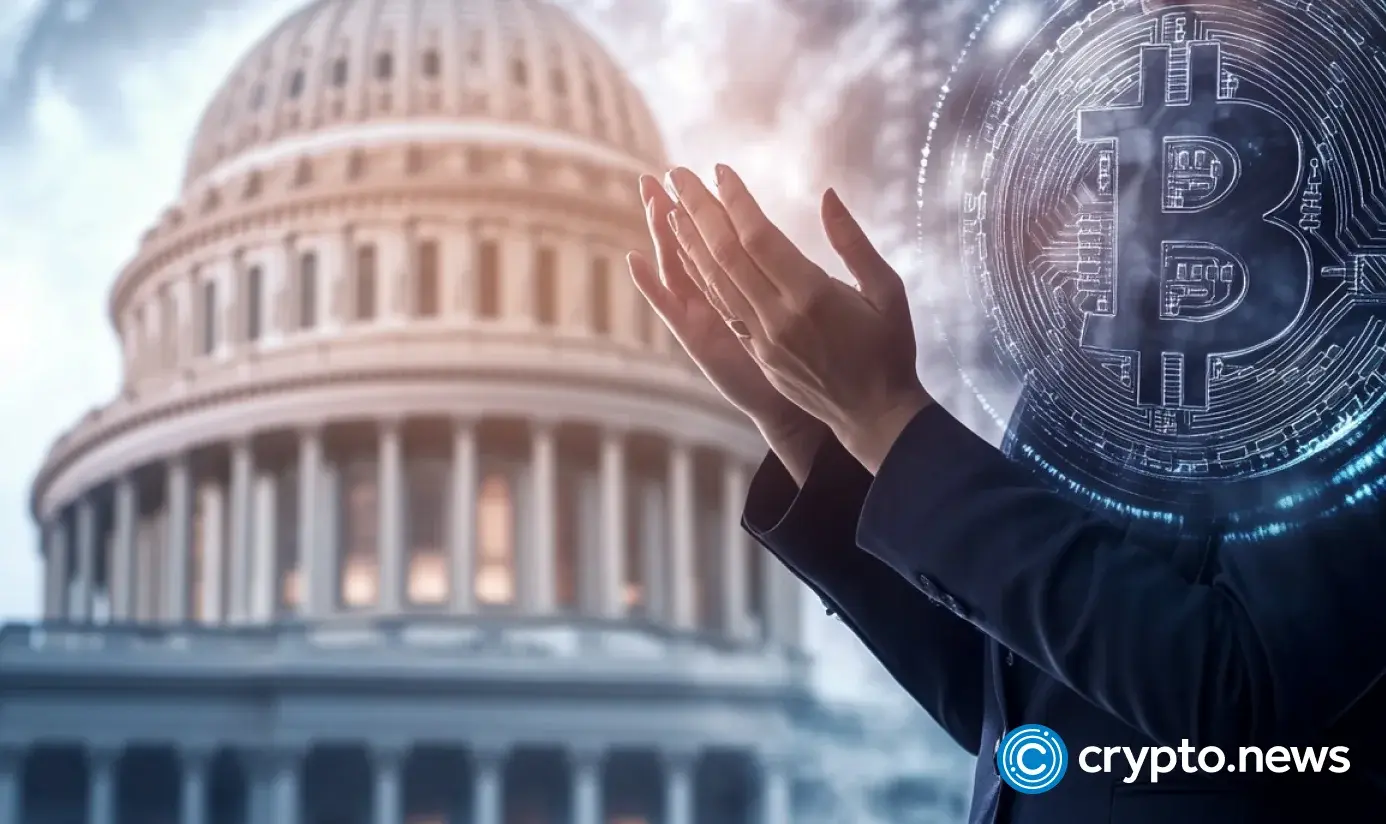
Crypto PAC-backed Barry Moore wins Alabama GOP Senate runoff
Barry Moore wins Alabama’s GOP Senate runoff after more than $12M in pro-crypto PAC support, testing Fairshake’s election power in November.
By Olivia Stephanie 6/17/2026, 8:11:13 AM

First Block, Onpharma Company, and Crito Capital Announce First Solana Sto for U.S. Medical Device Business
London, United Kingdom, 17th June 2026, Chainwire The post First Block, Onpharma Company, and Crito Capital Announce First Solana Sto for U.S. Medical Device Business appeared first on The Daily Hodl.
By Chainwire 6/17/2026, 8:10:14 AM

European Central Bank wage tracker shows stable wage pressures heading into 2026
Stable wage pressures may allow the ECB to maintain a balanced monetary policy, potentially benefiting risk assets by reducing tightening urgency. The post European Central Bank wage tracker shows stable wage pressures heading into 2026 appeared first on Crypto Briefing.
By Editorial Team 6/17/2026, 8:06:05 AM

Sweden’s Riksbank holds rates at 1.75%, but warns a hike could come this year
A potential rate hike could tighten financial conditions, impacting rate-sensitive sectors and influencing investor strategies amid global uncertainties. The post Sweden’s Riksbank holds rates at 1.75%, but warns a hike could come this year appeared first on Crypto Briefing.
By Editorial Team 6/17/2026, 8:05:46 AM

Messi hat-trick equals scoring record as Argentina tops Algeria in World Cup opener
Messi's record-tying performance underscores his enduring impact on football, potentially boosting fan engagement and crypto ventures. The post Messi hat-trick equals scoring record as Argentina tops Algeria in World Cup opener appeared first on Crypto Briefing.
By Editorial Team 6/17/2026, 7:49:34 AM

After 107 Liquidations, Andrew Tate Is Back With Big Bitcoin Bet
The popular personality doesn't have the greatest futures trading record.
By Jordan Lyanchev 6/17/2026, 7:48:18 AM

Brollan officially leaves MOUZ amid roster changes
MOUZ's roster overhaul reflects a strategic shift, potentially impacting team dynamics and competitive performance in future tournaments. The post Brollan officially leaves MOUZ amid roster changes appeared first on Crypto Briefing.
By Editorial Team 6/17/2026, 7:47:29 AM

Messi and Ronaldo become only players to score in five World Cups, and crypto fan tokens are feeling it
Messi and Ronaldo's World Cup achievements highlight the growing intersection of sports and blockchain, impacting fan token market dynamics. The post Messi and Ronaldo become only players to score in five World Cups, and crypto fan tokens are feeling it appeared first on Crypto Briefing.
By Editorial Team 6/17/2026, 7:45:16 AM

JustLend DAO launches Supply and Borrow Market V2 with isolated lending architecture
JustLend DAO has launched Supply and Borrow Market V2, introducing an isolated lending framework and a new interest rate model designed to improve capital efficiency and risk controls across its decentralized lending platform. According to JustLend DAO’s announcement on June…
By Rony Roy 6/17/2026, 7:42:52 AM

Ethereum price fights for $2K as whales buy the dip
Ethereum price trades near $1,797 as ETF inflows, whale buying, Fed caution, Iran deal risks, and MACD signals shape its next moves for ETH.
By Olivia Stephanie 6/17/2026, 7:42:35 AM

Analyst Identifies 3 Altcoin Sectors Positioned to Survive Market Shakeout
Revenue generation is emerging as a key dividing line between altcoin projects that can survive and those that will fade.
By Wayne Jones 6/17/2026, 7:33:45 AM

US and Iran commit to reopening Strait of Hormuz at G7 summit
The reopening of the Strait of Hormuz may stabilize global oil markets, but unresolved nuclear issues could still pose significant geopolitical risks. The post US and Iran commit to reopening Strait of Hormuz at G7 summit appeared first on Crypto Briefing.
By Editorial Team 6/17/2026, 7:31:44 AM
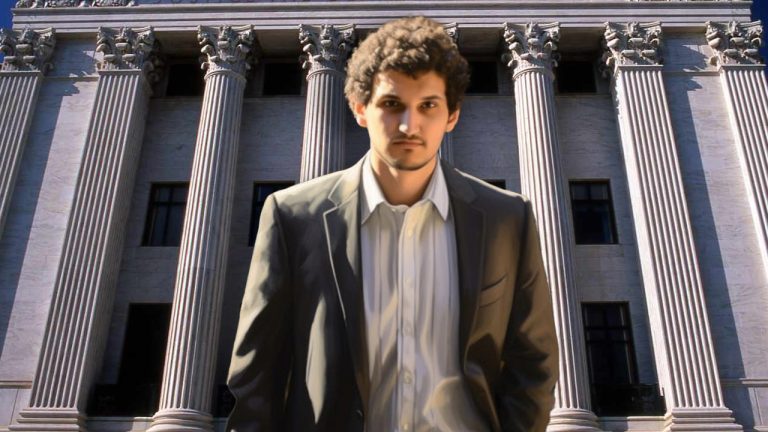
FTX’s Sam Bankman-Fried Wants to Launch a New Token After Prison
Sam Bankman-Fried, the FTX co-founder serving a 25-year sentence, has reportedly told a fellow inmate he intends to launch a new crypto token once he walks free, a release that (absent legal relief) may not arrive until around 2044. A Token Pitch From Behind Bars According to a New York Magazine feature, Bankman-Fried has been […]
By Shiraz Jagati 6/17/2026, 7:30:42 AM

Hong Kong market regulator advances compensation for Evergrande shareholders
The compensation deal highlights ongoing tensions between shareholder and creditor interests, potentially affecting future corporate accountability. The post Hong Kong market regulator advances compensation for Evergrande shareholders appeared first on Crypto Briefing.
By Editorial Team 6/17/2026, 7:29:58 AM

Hyperscale Data increases Bitcoin holdings by 4.62 BTC to 713.58 BTC
Hyperscale's Bitcoin strategy boosts its asset value but heightens exposure to crypto volatility, impacting investor risk and stock stability. The post Hyperscale Data increases Bitcoin holdings by 4.62 BTC to 713.58 BTC appeared first on Crypto Briefing.
By Editorial Team 6/17/2026, 7:29:56 AM

Austria beats Jordan 3-1 in World Cup opener as crypto sponsors flood the tournament
The influx of crypto sponsorships at the World Cup highlights the growing intersection of sports and digital finance, impacting fan engagement and investment strategies. The post Austria beats Jordan 3-1 in World Cup opener as crypto sponsors flood the tournament appeared first on Crypto Briefing.
By Editorial Team 6/17/2026, 7:26:16 AM

Bitcoin ETFs bleed $64M as Ethereum, Solana, and XRP funds absorb $28M in a single day
The shift in investment from Bitcoin to altcoins like Ethereum, Solana, and XRP suggests a diversification trend in crypto portfolios. The post Bitcoin ETFs bleed $64M as Ethereum, Solana, and XRP funds absorb $28M in a single day appeared first on Crypto Briefing.
By Editorial Team 6/17/2026, 7:25:00 AM

Argentina’s Lisandro Martínez delivers flawless World Cup opener as ARG fan token draws fresh attention
Martnez's performance highlights the growing intersection of sports and crypto, where athlete partnerships and fan tokens influence market dynamics. The post Argentina’s Lisandro Martínez delivers flawless World Cup opener as ARG fan token draws fresh attention appeared first on Crypto Briefing.
By Editorial Team 6/17/2026, 7:20:32 AM

FIFA praises refereeing standards at 2026 World Cup, citing fewer mistakes than European leagues
Enhanced refereeing at the 2026 World Cup may set new global standards, influencing future officiating practices and league comparisons. The post FIFA praises refereeing standards at 2026 World Cup, citing fewer mistakes than European leagues appeared first on Crypto Briefing.
By Editorial Team 6/17/2026, 7:20:20 AM

Wagers on stronger US dollar rise to highest level since 2018
A stronger US dollar could lead to reduced investment in riskier assets like crypto, as capital shifts to safer, dollar-denominated options. The post Wagers on stronger US dollar rise to highest level since 2018 appeared first on Crypto Briefing.
By Editorial Team 6/17/2026, 7:19:09 AM

BitGo offers MiCA compliant infrastructure to crypto firms facing EU deadline
More than 3,000 crypto firms were registered across Europe before MiCA, yet only 194 had secured authorization by May 2026, and BitGo has now introduced a compliance service designed to help firms continue operating as the EU’s licensing deadline takes…
By Rony Roy 6/17/2026, 7:18:39 AM

British inflation holds at 2.8% in May, undercutting forecasts ahead of Bank of England rate decision
The steady inflation rate may influence the Bank of England's rate decision, potentially impacting future economic growth and investment strategies. The post British inflation holds at 2.8% in May, undercutting forecasts ahead of Bank of England rate decision appeared first on Crypto Briefing.
By Editorial Team 6/17/2026, 7:17:46 AM
US Senate and House agree on housing bill banning CBDC through 2030
The CBDC ban signals a strong bipartisan stance against government-issued digital currencies, impacting future financial innovation and global competitiveness. The post US Senate and House agree on housing bill banning CBDC through 2030 appeared first on Crypto Briefing.
By Editorial Team 6/17/2026, 7:15:06 AM

BlackRock Launches Covered-Call Bitcoin ETF Under BITA Ticker
BlackRock’s BITA ETF gives investors a bitcoin-linked income product, but covered-call strategies can cap upside during strong rallies.
By Bitcoinist Editorial Team 6/17/2026, 7:09:44 AM

India’s Telegram Ban Affects 150 Million Users as Durov Accuses Reliance
The post India’s Telegram Ban Affects 150 Million Users as Durov Accuses Reliance appeared first on Coinpedia Fintech News Telegram’s temporary ban in India ahead of the NEET-UG re-exam has sparked a much larger controversy after Telegram founder Pavel Durov accused Reliance of interfering with Telegram access beyond India’s borders. The dispute...
By Debashree Patra 6/17/2026, 7:08:10 AM

Singapore’s electronics exports surge 94.8% on record AI demand
Singapore's export surge highlights its pivotal role in the AI supply chain, signaling sustained economic growth amid global tech demand. The post Singapore’s electronics exports surge 94.8% on record AI demand appeared first on Crypto Briefing.
By Editorial Team 6/17/2026, 7:06:49 AM

G7 summit wraps in Evian with crypto conspicuously absent from the agenda
The absence of crypto discussions at the G7 summit highlights a fragmented regulatory landscape, complicating global compliance for digital assets. The post G7 summit wraps in Evian with crypto conspicuously absent from the agenda appeared first on Crypto Briefing.
By Editorial Team 6/17/2026, 7:06:10 AM

West Coast Couple Steals Nearly $229,000 From Banks and Customers in Identity Fraud Scheme: DOJ
A couple in Washington state has admitted to stealing nearly $229,000 from banks and their customers. According to the DOJ, Emily Vranic and co-defendant Heather Marquis stole mail and used personal identifying information to take over and drain victim bank accounts while running up credit cards. “Once they had fully taken over a stolen identity,...
By Daily Hodl Staff 6/17/2026, 7:04:48 AM

ECB’s Simkus signals at least one more rate hike amid inflation pressures
The ECB's commitment to inflation control suggests prolonged monetary tightening, impacting eurozone economic growth and market expectations. The post ECB’s Simkus signals at least one more rate hike amid inflation pressures appeared first on Crypto Briefing.
By Estefano Gomez 6/17/2026, 7:03:03 AM

World Cup 2026 meets crypto: How Mbappe, Messi, and Haaland are fueling a fan token frenzy
The integration of crypto in World Cup 2026 could redefine fan engagement and financial dynamics in sports, impacting global markets. The post World Cup 2026 meets crypto: How Mbappe, Messi, and Haaland are fueling a fan token frenzy appeared first on Crypto Briefing.
By Editorial Team 6/17/2026, 7:00:30 AM
World Liberty nears OCC trust bank approval despite conflict concerns
World Liberty Financial has moved closer to securing a federal trust bank charter, with former Office of the Comptroller of the Currency officials telling NOTUS that approval of the Trump-linked crypto firm’s application is now widely expected. According to a…
By Rony Roy 6/17/2026, 6:59:53 AM
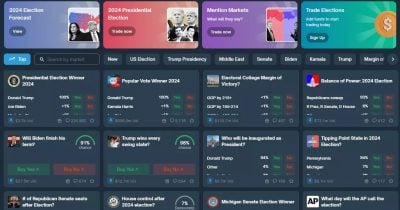
A college student’s $35,000 Polymarket bet went to zero because of one day
The incident highlights the critical importance of precise contract terms in prediction markets, impacting trader trust and industry reputation. The post A college student’s $35,000 Polymarket bet went to zero because of one day appeared first on Crypto Briefing.
By Editorial Team 6/17/2026, 6:56:08 AM

CBDC ban until 2030 advances in Congress housing deal
Congress reaches a housing bill deal that would block a Federal Reserve CBDC until 2030 while sparing private stablecoins under latest bill.
By Olivia Stephanie 6/17/2026, 6:51:45 AM

Credible Finance partners with OwlTing to power stablecoin-based payments between China and India
The partnership could revolutionize cross-border payments, enhancing speed and reducing costs, but regulatory risks in China and India remain. The post Credible Finance partners with OwlTing to power stablecoin-based payments between China and India appeared first on Crypto Briefing.
By Editorial Team 6/17/2026, 6:48:20 AM

World Cup kicks off and crypto fan tokens are already feeling the heat
The rise of crypto fan tokens highlights the growing intersection of sports and blockchain, offering new speculative avenues for fan engagement. The post World Cup kicks off and crypto fan tokens are already feeling the heat appeared first on Crypto Briefing.
By Editorial Team 6/17/2026, 6:45:30 AM

Ali Olwan named Superior Player of the Match at FIFA World Cup after scoring Jordan’s first-ever goal
Ali Olwan's historic goal at the World Cup could inspire a new era of football enthusiasm and development in Jordan, boosting national pride. The post Ali Olwan named Superior Player of the Match at FIFA World Cup after scoring Jordan’s first-ever goal appeared first on Crypto Briefing.
By Editorial Team 6/17/2026, 6:41:12 AM
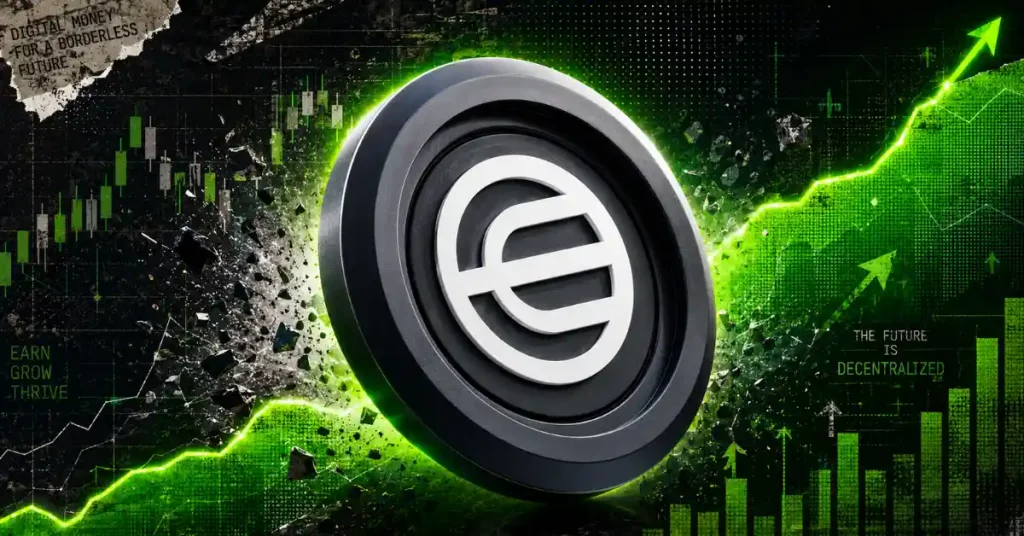
Can Worldcoin Price Hit $1: Here’s Why WLD Is Suddenly Exploding
The post Can Worldcoin Price Hit $1: Here’s Why WLD Is Suddenly Exploding appeared first on Coinpedia Fintech News Worldcoin price rally is gaining attention after posting massive outperformance over this week, as traders rotate aggressively into AI-linked cryptocurrencies. Yet, this rally appears to be more than a short-term speculative bounce....
By Shubham Vishwakarma 6/17/2026, 6:40:27 AM
BitGo offers MiCA-compliance support to Europe’s crypto firms
BitGo's MiCA-compliance support could accelerate regulatory adoption, shaping Europe's crypto market by lowering entry barriers for firms. The post BitGo offers MiCA-compliance support to Europe’s crypto firms appeared first on Crypto Briefing.
By Editorial Team 6/17/2026, 6:40:23 AM

U.S. gaming industry pushes lawmakers to curb sports prediction markets
The U.S. gaming industry has urged Congress to use crypto market structure legislation to block sports and casino-style prediction markets from operating under federal derivatives rules. According to a Semafor report published Tuesday, several gaming organizations sent a letter to…
By Rony Roy 6/17/2026, 6:40:13 AM

Z AI’s GLM-5.2 tops Artificial Analysis Intelligence Index with highest open model score of 51
GLM-5.2's advancements could redefine AI's role in complex coding and long-term tasks, challenging proprietary models and influencing market dynamics. The post Z AI’s GLM-5.2 tops Artificial Analysis Intelligence Index with highest open model score of 51 appeared first on Crypto Briefing.
By Editorial Team 6/17/2026, 6:39:29 AM

Ex-Citi director’s lawsuit raises questions over Trump-linked account
The lawsuit highlights the challenges banks face in balancing compliance with high-profile client relationships, potentially impacting regulatory scrutiny. The post Ex-Citi director’s lawsuit raises questions over Trump-linked account appeared first on Crypto Briefing.
By Editorial Team 6/17/2026, 6:39:25 AM

Argentina manager Lionel Scaloni backs Rodrigo De Paul’s move to Inter Miami
Scaloni's support for De Paul's MLS move highlights a shift in perception, validating MLS as a viable path for top international players. The post Argentina manager Lionel Scaloni backs Rodrigo De Paul’s move to Inter Miami appeared first on Crypto Briefing.
By Editorial Team 6/17/2026, 6:36:00 AM
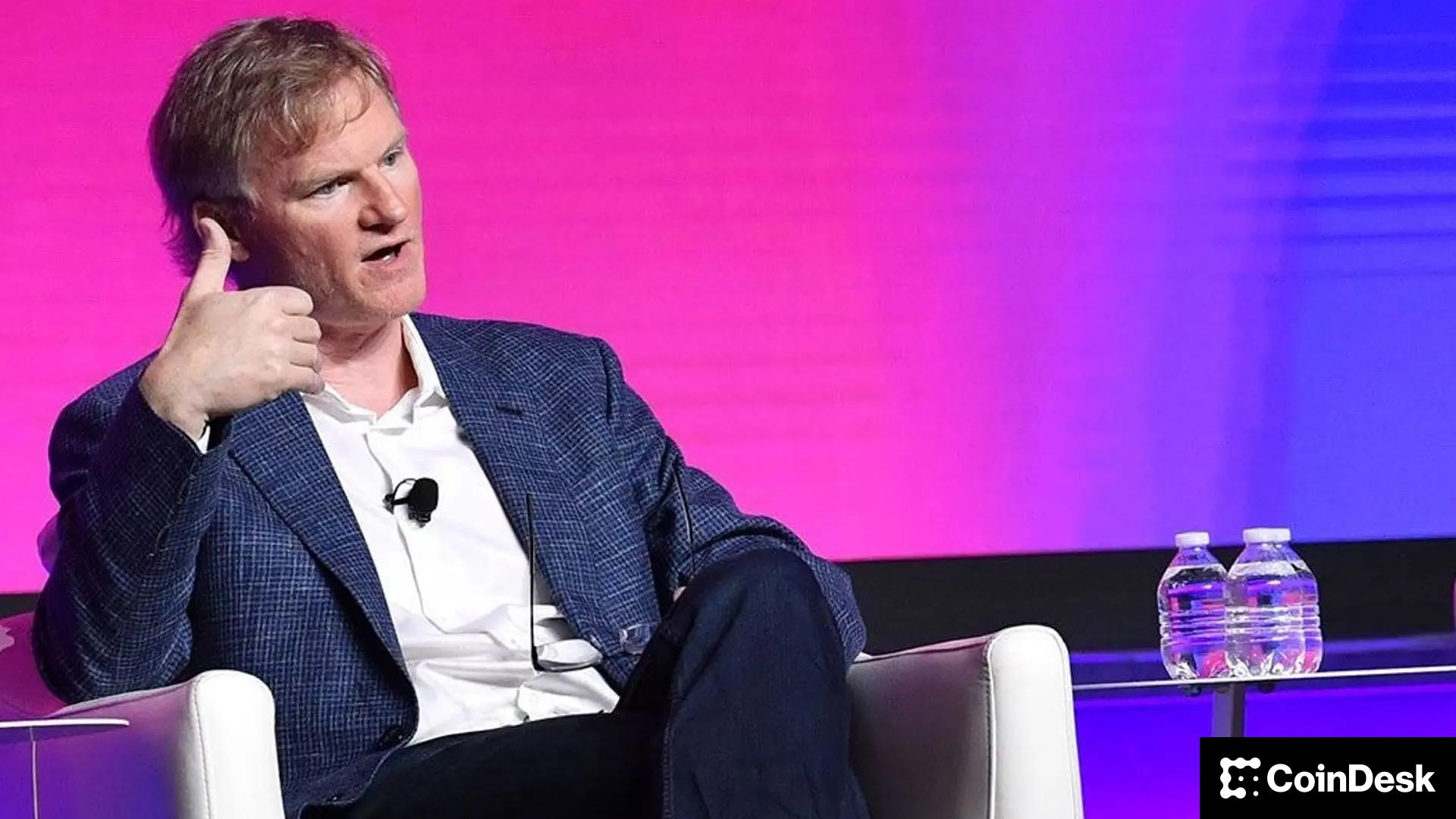
BitGo offers Europe’s crypto firms a MiCA-compliance lifeline as license deadline looms
BaFin-regulated BitGo says its Crypto-as-a-Service platform can help eligible crypto players across Europe an alternative way to navigate MiCA.
By Ian Allison 6/17/2026, 6:34:55 AM